

Electromagnetic interference (EMI) is a critical consideration in the design and application of EI Power Control Transformers. As a reliable supplier of EI Power Control Transformers, we understand the importance of comprehending the EMI characteristics of these transformers to ensure optimal performance in various electrical systems. In this blog, we will delve into the electromagnetic interference characteristics of EI Power Control Transformers, exploring their sources, effects, and mitigation strategies.
Sources of Electromagnetic Interference in EI Power Control Transformers
1. Magnetic Field Emissions
EI Power Control Transformers operate based on the principle of electromagnetic induction, which involves the generation of magnetic fields. These magnetic fields can extend beyond the physical boundaries of the transformer and interact with nearby electronic components or systems. The alternating current (AC) flowing through the primary and secondary windings of the transformer creates time - varying magnetic fields. The strength and distribution of these magnetic fields depend on factors such as the transformer's power rating, winding configuration, and the magnitude of the current flowing through the windings.
2. Electrical Noise from Winding Capacitance
The windings in EI Power Control Transformers have inherent capacitance between the turns of the wire and between different windings. When an AC voltage is applied to the transformer, these capacitances can act as a path for high - frequency electrical noise. This noise can be generated by the switching of power electronic devices connected to the transformer, or by the non - linear behavior of the magnetic core under certain operating conditions. The electrical noise can couple to other parts of the electrical system, causing interference with sensitive electronic equipment.
3. Switching Transients
In some applications, EI Power Control Transformers may be connected to switching power supplies or other devices that generate rapid changes in current or voltage. These switching transients can induce high - frequency currents and voltages in the transformer windings. The sudden changes in electrical parameters can create electromagnetic pulses that radiate into the surrounding environment and cause EMI. For example, in a high - frequency control transformer application, the rapid switching of transistors in a power converter can generate significant switching transients that affect the transformer's performance. You can learn more about our High - Frequency Control Transformer on our website.
Effects of Electromagnetic Interference
1. Malfunction of Electronic Equipment
EMI from EI Power Control Transformers can cause malfunctions in nearby electronic equipment. Sensitive devices such as microcontrollers, sensors, and communication systems can be particularly vulnerable to electromagnetic interference. The interference can disrupt the normal operation of these devices, leading to incorrect readings, data errors, or even system failures. For instance, in a medical environment, EMI from a transformer can interfere with the operation of medical monitoring equipment, potentially endangering patient safety. Our EI Medical Power Transformers are designed to minimize such risks.
2. Signal Degradation
In communication systems, EMI can cause signal degradation. The electromagnetic noise can add unwanted components to the transmitted or received signals, reducing the signal - to - noise ratio. This can result in poor communication quality, such as distorted audio or video signals, or errors in data transmission. For example, in a wireless communication system, EMI from a nearby EI Power Control Transformer can interfere with the radio frequency signals, leading to dropped calls or slow data transfer rates.
3. Compliance Issues
Many industries have strict regulations regarding electromagnetic compatibility (EMC). EI Power Control Transformers that generate excessive EMI may not meet these regulatory requirements. Non - compliance can lead to legal issues, product recalls, and loss of market share. For example, in the automotive industry, transformers used in vehicle electronics must comply with EMC standards to ensure the reliable operation of the vehicle's electrical systems and to prevent interference with other on - board electronics.
Mitigation Strategies for Electromagnetic Interference
1. Shielding
One of the most effective ways to reduce EMI from EI Power Control Transformers is through shielding. A shield can be placed around the transformer to contain the magnetic and electric fields generated by the transformer. The shield can be made of conductive materials such as copper or aluminum, which can absorb and redirect the electromagnetic energy. For example, a copper shield can be used to enclose the transformer core and windings, preventing the magnetic fields from escaping and interfering with other components.
2. Filtering
Filtering techniques can be employed to reduce the high - frequency electrical noise in EI Power Control Transformers. Capacitors and inductors can be used to form low - pass filters that allow the desired frequency components of the electrical signal to pass through while blocking the high - frequency noise. These filters can be connected in series or parallel with the transformer windings to attenuate the EMI. For example, a capacitor can be connected across the primary or secondary winding to bypass the high - frequency noise to ground.
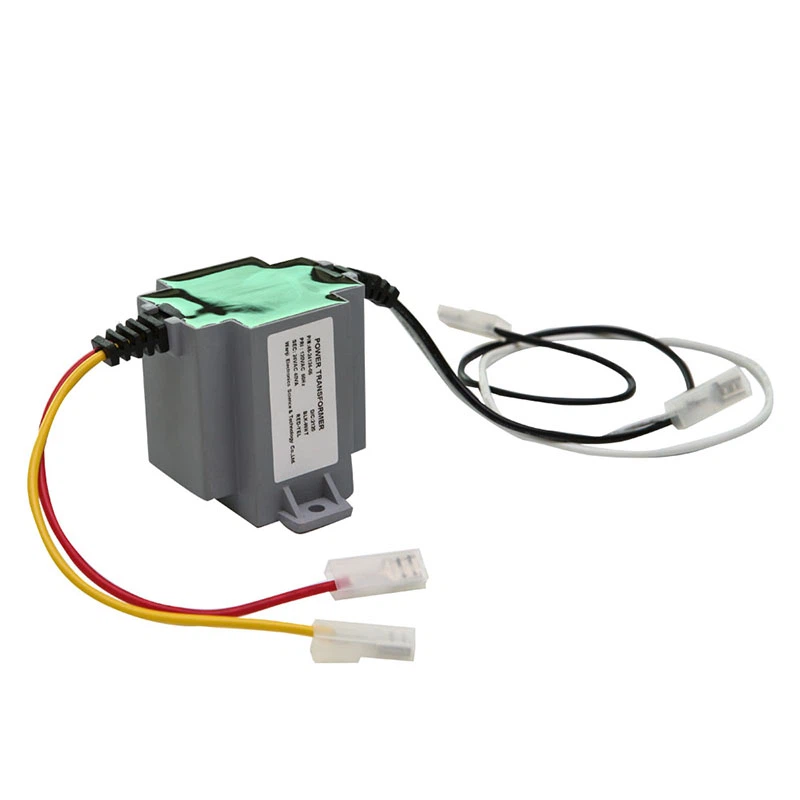

3. Proper Winding Design
The design of the transformer windings can have a significant impact on EMI. By carefully arranging the turns of the wire and the layout of the windings, the capacitance and magnetic coupling between the windings can be optimized to reduce EMI. For example, using a bifilar winding technique can help to balance the currents in the windings and reduce the magnetic field emissions. Additionally, proper insulation between the windings can prevent electrical noise from coupling between different parts of the transformer.
4. Core Material Selection
The choice of magnetic core material in EI Power Control Transformers can also affect EMI. Some core materials have better magnetic properties at high frequencies, which can reduce the generation of electromagnetic noise. For example, ferrite cores are often used in high - frequency applications because they have low core losses and good high - frequency performance. Our EI Autotransformer Power Transformers are available with different core materials to meet the specific EMI requirements of various applications.
Importance of Understanding EMI Characteristics for Our Customers
As a supplier of EI Power Control Transformers, we recognize the importance of providing our customers with transformers that have low EMI characteristics. Our customers rely on our transformers to operate in a wide range of environments, from industrial settings to medical facilities. By understanding the EMI characteristics of our transformers, we can design and manufacture products that meet the specific needs of our customers.
For industrial customers, low - EMI transformers can ensure the reliable operation of machinery and equipment, reducing downtime and maintenance costs. In the medical field, our transformers with low EMI are essential for the accurate and safe operation of medical devices. Additionally, by providing transformers that comply with EMC regulations, we help our customers avoid potential legal and compliance issues.
Conclusion
In conclusion, the electromagnetic interference characteristics of EI Power Control Transformers are complex and can have significant impacts on the performance of electrical systems. As a supplier, we are committed to understanding these characteristics and implementing effective mitigation strategies to provide our customers with high - quality transformers. Our EI Medical Power Transformers, High - Frequency Control Transformer, and EI Autotransformer Power Transformers are designed with EMI in mind to meet the diverse needs of our customers.
If you are interested in learning more about our EI Power Control Transformers or have specific requirements for your application, we encourage you to contact us for a detailed discussion. Our team of experts is ready to assist you in selecting the right transformer and addressing any concerns related to electromagnetic interference.
References
- "Electromagnetic Compatibility in Power Electronics: Principles and Applications" by Mario Paolone and Federico Milano
- "Transformers: Theory, Design, and Applications" by John J. Cathey
- International Electrotechnical Commission (IEC) standards on electromagnetic compatibility