

Hey there! As a supplier of EI Power Control Transformers, I've seen my fair share of issues with these things. Malfunctions can be a real pain, but don't worry - I'm here to walk you through some troubleshooting steps.
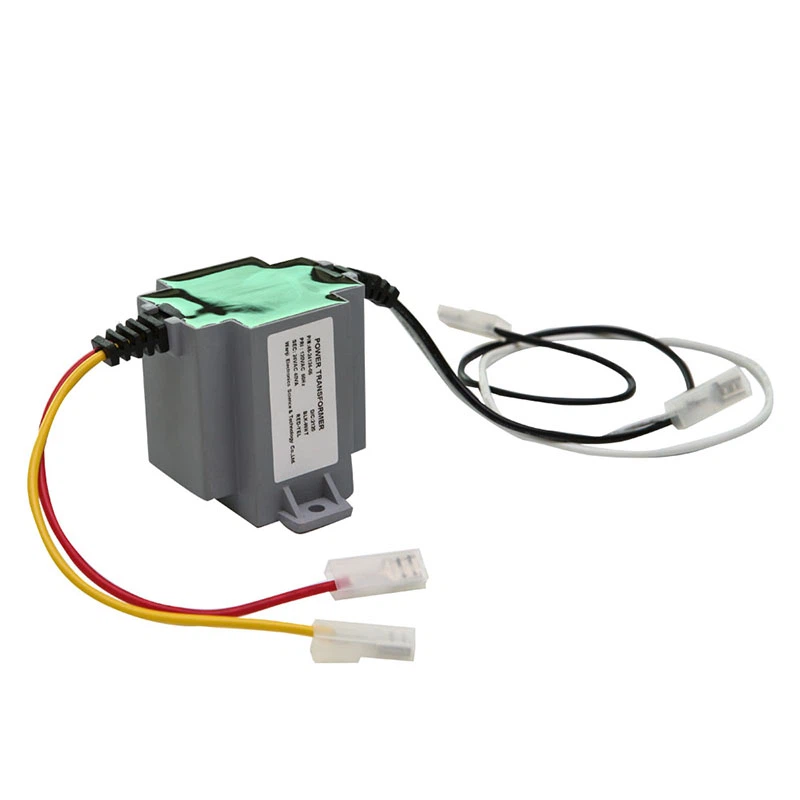
First off, let's understand what EI Power Control Transformers are. They're widely used in a bunch of different applications. You've got the EI Autotransformer Power Transformers, which are great for adjusting voltage levels. Then there are the EI Medical Power Transformers, designed with high safety standards for medical equipment. And the EI Transformer for Air Conditioner, which helps keep your AC running smoothly.
Now, let's get into the troubleshooting.
1. Check the Input Power
The first thing you gotta do when your EI Power Control Transformer acts up is to check the input power. Make sure the transformer is getting the right voltage and frequency. A lot of times, a simple power issue can look like a big problem with the transformer.
Use a multimeter to measure the input voltage. If the voltage is way off from the rated value, that could be your culprit. It might be due to a faulty power source, like a bad outlet or a problem with the electrical panel. Sometimes, there could be issues with the wiring between the power source and the transformer. Check for loose connections, frayed wires, or any signs of damage.
2. Inspect for Physical Damage
Take a good look at the transformer itself. Look for any visible signs of physical damage, like cracks in the casing, burnt components, or loose parts. A cracked casing could let moisture in, which can mess up the internal components. Burnt parts are a clear sign that there's been an overheating issue.
If you see any loose parts, like screws or wires that have come loose, try to tighten them up. But be careful - if you're not sure what you're doing, it's better to leave it to a professional.
3. Check the Output Voltage
Once you've made sure the input power is okay, it's time to check the output voltage. Use your multimeter again to measure the voltage at the output terminals of the transformer. If the output voltage is too high or too low compared to the rated value, there's definitely something wrong.
A low output voltage could be caused by a short circuit in the secondary winding of the transformer. A short circuit means that there's an unintended connection between two points in the winding, which can reduce the voltage. On the other hand, a high output voltage could be due to a problem with the primary winding or a faulty tap changer (if the transformer has one).
4. Look for Overheating
Overheating is a common problem with transformers. If the transformer feels really hot to the touch, that's a red flag. Overheating can be caused by a few different things.
One reason could be overloading. If you're asking the transformer to handle more power than it's rated for, it's gonna get hot. Check the load connected to the transformer and make sure it's within the rated capacity.
Another cause of overheating could be poor ventilation. Transformers need good airflow to stay cool. If the transformer is installed in a cramped space or if there's a lot of dust blocking the ventilation holes, it can't dissipate heat properly.
5. Test the Insulation Resistance
The insulation resistance of the transformer is really important. It helps prevent electrical leakage and keeps the transformer working safely. You can use an insulation resistance tester to measure the insulation resistance between the windings and the transformer's core or the ground.
A low insulation resistance value could mean that the insulation has deteriorated. This could be due to age, moisture, or overheating. If the insulation resistance is too low, it can lead to electrical shorts and other problems.
6. Check the Protection Devices
Most EI Power Control Transformers come with protection devices like fuses or circuit breakers. These devices are designed to cut off the power if there's an overload or a short circuit.
Check the fuses to see if they're blown. If a fuse is blown, it means that there's been a problem with the current flow. Replace the fuse with one of the same rating. If the new fuse blows right away, there's still an underlying issue that needs to be fixed.

Similarly, check the circuit breakers. If a circuit breaker has tripped, try resetting it. But if it trips again, there's likely a problem with the transformer or the load.
7. Look for Electrical Noise
Electrical noise can also cause problems with the transformer. You might notice strange noises coming from the transformer, like humming or buzzing. This could be due to a few things.
One possibility is a magnetic issue. If the magnetic field in the transformer is not stable, it can cause vibrations and make those noises. Another reason could be a problem with the power supply, like a dirty power source with a lot of electrical interference.
You can use an oscilloscope to check for electrical noise. If you find that there's a lot of noise, you might need to install a noise filter or take steps to clean up the power supply.
8. Consult the Manufacturer's Manual
If you've gone through all these steps and you're still having trouble, it's a good idea to consult the manufacturer's manual. The manual usually has a troubleshooting section that can give you more specific advice based on the model of your transformer.
It might also have information about any known issues with that particular model and how to fix them. Sometimes, the manufacturer might have released software updates or patches that can help solve the problem.
Conclusion
Troubleshooting EI Power Control Transformers can be a bit of a challenge, but if you follow these steps, you should be able to figure out what's going wrong in most cases. Remember, safety is always the top priority. If you're not comfortable working with electrical equipment, it's best to call in a professional.
If you're in the market for new EI Power Control Transformers or need more help with troubleshooting, don't hesitate to reach out. We're here to provide you with high-quality products and expert advice. Whether you need an EI Autotransformer Power Transformers, EI Medical Power Transformers, or an EI Transformer for Air Conditioner, we've got you covered.
References
- Electrical Engineering Handbook, McGraw-Hill
- Transformer Technology Handbook, CRC Press